
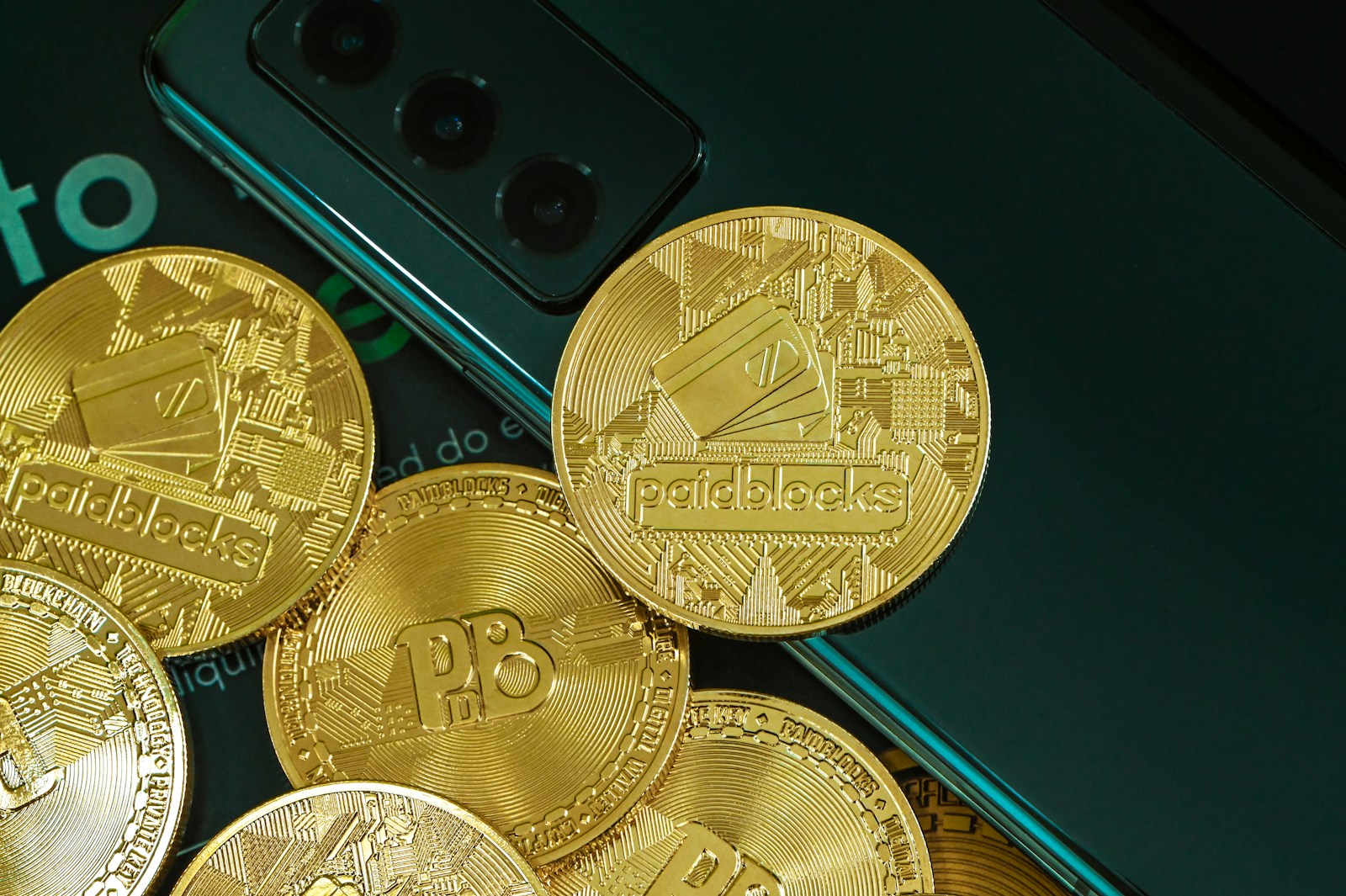
In October 2025, the cryptocurrency market is thriving, with Bitcoin at $124,346 and stablecoins like USDC and USDT anchoring over $200 billion in circulation. For beginners, staking stablecoins offers a low-risk way to earn passive income, with yields averaging 5-12% annually on platforms like Aave, Compound, and newer protocols like Ethena. This guide, in the category of crypto guides & tutorials, walks you through the essentials of staking stablecoins: what it is, why it’s popular, how to start, and best practices to maximize returns while minimizing risks. With stablecoin staking driving $15 billion in DeFi yields this year, it’s an ideal entry point for new crypto users.
Quick Insight
Staking stablecoins in 2025 can yield 5-12% APY with minimal volatility. Use audited platforms like Aave, start with $100, and secure your wallet to earn passive income safely.
What Is Stablecoin Staking and Why Should You Care?
Staking stablecoins involves locking up assets like USDC, USDT, or DAI in DeFi protocols to earn rewards, typically paid in the same stablecoin or protocol tokens. Unlike volatile cryptocurrencies, stablecoins are pegged to assets like the U.S. dollar, offering stability (e.g., 1 USDC ≈ $1). In 2025, stablecoin staking has surged, with $50 billion locked in DeFi protocols, driven by high yields and low entry barriers.
Why stake stablecoins? First, it’s beginner-friendly—stable prices reduce risk compared to staking Bitcoin or Ethereum. Second, yields often outpace traditional savings accounts, which offer 1-3% APY. Third, staking supports DeFi ecosystems, providing liquidity for lending or trading. For example, staking USDC on Compound can yield 8% APY, turning $1,000 into $1,080 in a year without price swings.
Step-by-Step Guide to Staking Stablecoins
Here’s a beginner’s roadmap to start staking stablecoins in 2025, using USDC on Aave as an example:
- Choose a Stablecoin: Opt for regulated stablecoins like USDC or USDT, backed by audited reserves. USDC, with $60 billion in circulation, is a safe choice due to Circle’s compliance with the GENIUS Act.
- Set Up a Wallet: Use a non-custodial wallet like MetaMask or a hardware wallet like Ledger for security. Download MetaMask, create an account, and back up your seed phrase offline.
- Acquire Stablecoins: Buy USDC on exchanges like Coinbase or Binance. For example, convert $100 from fiat to USDC with a 0.5% fee, leaving you with 99.50 USDC.
- Choose a DeFi Platform: Select audited platforms like Aave, Compound, or Ethena. Aave offers 7-10% APY on USDC and supports Ethereum and Polygon for low fees.
- Connect Your Wallet: Visit Aave’s website, connect MetaMask, and ensure you’re on the Ethereum mainnet or Polygon. Verify the URL to avoid phishing scams.
- Deposit Stablecoins: In Aave, select “Deposit,” choose USDC, and input 99.50 USDC. Approve the transaction, paying a gas fee (around $0.50 on Polygon).
- Start Staking: Your USDC is now staked, earning interest paid in aUSDC (Aave’s receipt token). Interest compounds automatically, and you can track earnings in real-time.
- Withdraw or Reinvest: Withdraw your USDC plus interest anytime, or reinvest to compound returns. A $100 stake at 8% APY yields $8 annually, growing to $21.59 in three years with compounding.
Pro Tip: Start with a small amount ($50-$100) to test the process. Use Layer-2 networks like Polygon to save on gas fees, which can exceed $10 on Ethereum’s mainnet.
Top Platforms for Staking Stablecoins in 2025
Here’s a comparison of leading platforms for staking stablecoins, based on 2025 data:
| Platform | Stablecoins Supported | APY Range | Key Features |
|---|---|---|---|
| Aave | USDC, USDT, DAI | 7-10% | Multi-chain, audited, user-friendly interface |
| Compound | USDC, DAI | 6-9% | Governance tokens (COMP), Ethereum-based |
| Ethena | USDe (synthetic stablecoin) | 10-12% | High yields, delta-neutral strategy |
Aave is ideal for beginners due to its intuitive interface and Polygon support, while Ethena suits advanced users seeking higher yields but with synthetic stablecoin risks.
Benefits of Staking Stablecoins
Staking stablecoins offers several advantages:
- Low Volatility: Stablecoins maintain a 1:1 peg, shielding you from crypto’s price swings. USDC has held its peg through 2025 market volatility.
- High Yields: Earn 5-12% APY, compared to 1-3% in banks. A $1,000 stake at 10% yields $100 annually.
- Accessibility: Start with as little as $10. Platforms like Aave support micro-staking, democratizing access.
- Flexibility: Most protocols allow withdrawals anytime, unlike locked staking for volatile tokens like ETH.
These benefits make stablecoin staking a gateway to DeFi, with 10 million users participating globally in 2025.
Risks and How to Mitigate Them
While stablecoin staking is low-risk, it’s not risk-free. Here are key risks and mitigation strategies:
- Smart Contract Risk: Bugs in DeFi protocols can lead to losses, as seen in a $50 million Aave exploit in 2024. Mitigation: Use audited platforms like Aave or Compound; check audit reports on Certik.
- Depegging Risk: Stablecoins can briefly lose their peg, as USDC did in 2023. Mitigation: Stick to regulated stablecoins like USDC; diversify across USDT and DAI.
- Phishing Scams: Fake websites mimic DeFi platforms to steal wallet keys. Mitigation: Verify URLs, use bookmarking, and enable 2FA or hardware wallets.
- Regulatory Risk: The GENIUS Act mandates stricter stablecoin rules, potentially affecting yields. Mitigation: Monitor OCC updates; use compliant platforms.
Pro Tip: Store 80% of your funds in a hardware wallet like Ledger, keeping only staking funds in hot wallets like MetaMask.
Advanced Tips for Maximizing Returns
Once comfortable, try these strategies to boost staking profits:
- Compound Interest: Reinvest earnings to grow returns exponentially. A $1,000 stake at 8% APY becomes $1,259 in three years.
- Layer-2 Networks: Stake on Polygon or Arbitrum to save 90% on gas fees. Aave’s Polygon integration cuts costs to $0.10 per transaction.
- Diversify Platforms: Split stakes across Aave (7% APY) and Ethena (12% APY) to balance risk and reward. Monitor via DefiLlama.
- Liquidity Pools: Pair stablecoins in pools (e.g., USDC/USDT on Uniswap) for 10-15% APY, but beware impermanent loss.
- Tax Optimization: Track staking rewards with Koinly, as U.S. tax laws may treat them as income. Senate proposals could exempt small transactions by 2026.
A sample strategy: Stake $500 in USDC on Aave (8% APY) and $500 in USDe on Ethena (12% APY) for a blended 10% APY, earning $100 annually on $1,000.
Global Trends and Future Outlook
Stablecoin staking is a global phenomenon. In Asia, platforms like Ethena drive 40% of DeFi volume, while Europe’s MiCA regulations ensure stablecoin compliance, boosting trust. In the U.S., the GENIUS Act has stabilized USDC and USDT, attracting $10 billion in institutional stakes in 2025. By 2027, stablecoin TVL could hit $100 billion, with yields stabilizing at 6-10% as competition grows.
Emerging trends include AI-driven yield optimization and cross-chain staking via bridges, enabling seamless transfers between Ethereum and Solana. However, newbies should stick to basics until confident.
Stablecoin staking in 2025 is a beginner’s gateway to DeFi, offering high returns with low risk. Start small, stay secure, and grow your wealth in the crypto revolution.
💡 Ready to Stake Stablecoins?
Start with Aave or Compound for safe yields. What’s your staking plan? Share in the comments!