
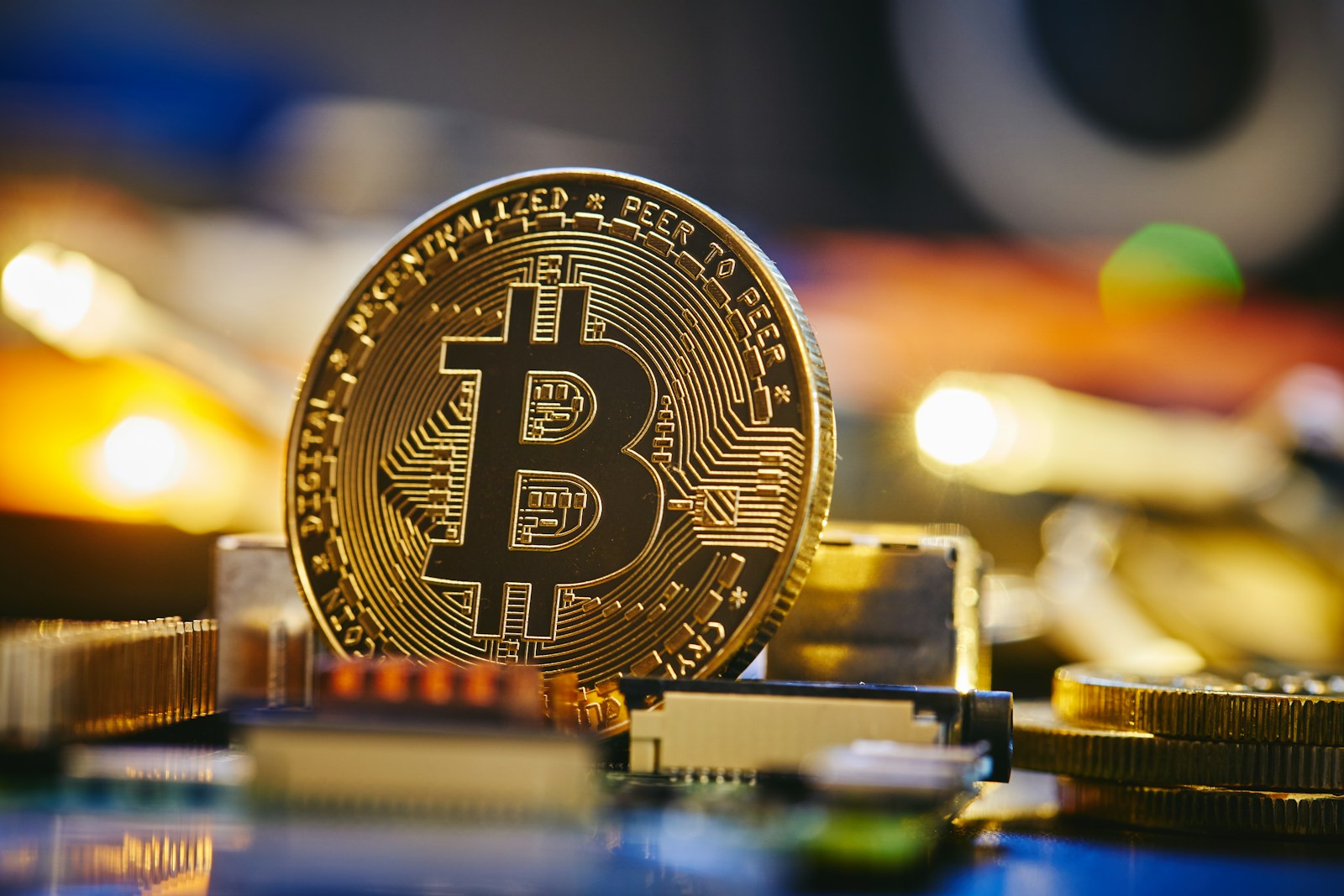
Crypto Purchase Revolution in October 2025: PayPal’s New Era of Crypto Payments
October 2025 marks a pivotal moment in the world of crypto purchases, with major developments transforming how consumers and businesses buy, sell, and spend digital assets. From PayPal’s groundbreaking expansion of crypto payments to tokenized deposits by giants like BNY Mellon and innovative pilots like NYC’s crypto basic income, the landscape for crypto buying is more accessible and integrated than ever. As Bitcoin surges past $123,000 and Ethereum holds strong above $4,300, these updates are fueling mainstream adoption. This article explores the latest crypto purchase updates, their implications for investors, and practical tips for seamless buying in this bullish market.
PayPal’s Crypto Payments Launch: A Game-Changer for Everyday Purchases
In late July 2025, PayPal unveiled its “Pay with Crypto” feature, a bold step that allows users to settle transactions using over 100 cryptocurrencies, including Bitcoin, Ethereum, and stablecoins like USDC.
Why does this matter for crypto purchases? PayPal’s move taps into a global user base of over 650 million, potentially injecting trillions into the ecosystem. As of October 2025, early adopters report transaction speeds under 10 seconds, making it ideal for e-commerce and remittances. According to industry analysts, this could boost crypto’s utility beyond speculation, driving everyday buying and positioning platforms like PayPal as gateways for new investors.
Quick Insight
PayPal’s crypto payments cut fees by 90%, turning a $100 international transfer from $5 in charges to mere cents—perfect for borderless crypto buying in 2025.
NYC’s Crypto Basic Income Pilot: Redefining Financial Inclusion
Shifting focus to social impact, New York City’s pilot program, funded by Coinbase and launched in early October 2025, distributes $12,000 in USDC to low-income residents over five months.
This pilot underscores a broader trend: crypto purchases as tools for financial empowerment. By partnering with GiveDirectly, the program ensures funds are traceable yet private, encouraging recipients to buy assets or services via integrated wallets. As of mid-October, over 500 participants have onboarded, with early data showing 30% faster access to funds compared to cash assistance. For buyers, this signals growing institutional trust in crypto for real-world purchases, potentially inspiring similar programs globally.
BNY Mellon’s Tokenized Deposits: Institutional Buying Goes Blockchain
In a move that’s electrifying institutional crypto purchases, Bank of New York Mellon (BNY Mellon) announced on October 7, 2025, explorations into tokenized deposits for blockchain-based payments.
For everyday investors, this means ripple effects: lower costs for buying Bitcoin or Ethereum through custodians, as tokenized deposits enable atomic swaps. Experts at Bloomberg note that major banks worldwide are accelerating blockchain adoption, with BNY’s pilot focusing on compliance and scalability. This update positions crypto purchases as a staple for high-net-worth individuals, with platforms like Fidelity already integrating similar features for seamless buying.
- Speed Boost: Tokenized settlements reduce T+2 delays to near-real-time.
- Cost Savings: Up to 50% lower fees for institutional crypto acquisitions.
- Accessibility: Opens doors for retail buyers via partnered exchanges.
Binance Japan and PayPay Partnership: Asia’s Crypto Purchase Boom
Across the Pacific, Binance Japan’s October 9 announcement of a partnership with PayPay—the nation’s leading cashless provider—heralds a new era for crypto buying in Asia.
The partnership’s focus on regulatory compliance, including yen-backed stablecoins, addresses past hurdles in Japan’s strict market. Early projections suggest a 25% uptick in crypto buys by year-end, driven by low-fee conversions. For global buyers, this exemplifies how regional alliances are expanding crypto’s purchase footprint, making it easier to acquire assets like SOL or XRP amid the ongoing bull run.
💡 Pro Tip
Leverage partnerships like Binance-PayPay for low-cost entry into altcoins—start with stablecoin buys to hedge volatility before diving into BTC or ETH.
Market Context: Surging Prices Fuel Purchase Frenzy
These updates arrive amid a roaring market. Bitcoin hit $126,198 on October 6, now stabilizing at $123,373, while Ethereum trades at $4,395—up 3,662% since 2017.
Stablecoin adoption surges too, with USDC and USDT powering 82% growth in crypto payment usage by 2027.
How to Buy Crypto Amid These Updates: A Step-by-Step Guide
Navigating the latest crypto purchase landscape is simpler than ever. Start by selecting a trusted platform—Coinbase for beginners, Kraken for low fees, or PayPal for integrated spending.
- Choose Assets: Prioritize BTC/ETH for stability or DOGE/SOL for growth potential.
- Use Stablecoins: Buy USDC via pilots or apps for low-volatility entry.
- Leverage New Tools: Test PayPal’s crypto checkout or BNY-linked custodians for efficiency.
- Secure Storage: Transfer to hardware wallets post-purchase.
- Monitor Trends: Track ETF flows and partnerships for timing buys.
Risks remain: volatility, fees (1-5% on cards), and regulatory shifts. Diversify and use dollar-cost averaging to mitigate.
“Crypto payments in 2025 aren’t just innovative—they’re essential for global commerce.” — Insights from PayPal’s July launch.
The Future of Crypto Purchases: What’s Next?
Looking ahead, 2025’s updates foreshadow explosive growth. With S&P’s new Crypto Index and BlackRock’s ETF nearing $100B AUM, institutional buying will surge.
For buyers, this means empowered choices: from NYC’s inclusive pilots to Asia’s seamless integrations. Stay vigilant—October’s momentum could propel prices higher, rewarding early purchasers.